• Solar Guide Hub · Contact: [email protected]
  • Solar power for life on the move: RVs, vans and EV charging
  • Size your system before you buy a single panel
  • Free Appliance Load Calculator
  • Safety-first solar guides written by a solar technician
  • Van solar · EV solar · Home solar
  • New here? Start with Solar Basics

How a van solar system works

Live simulation
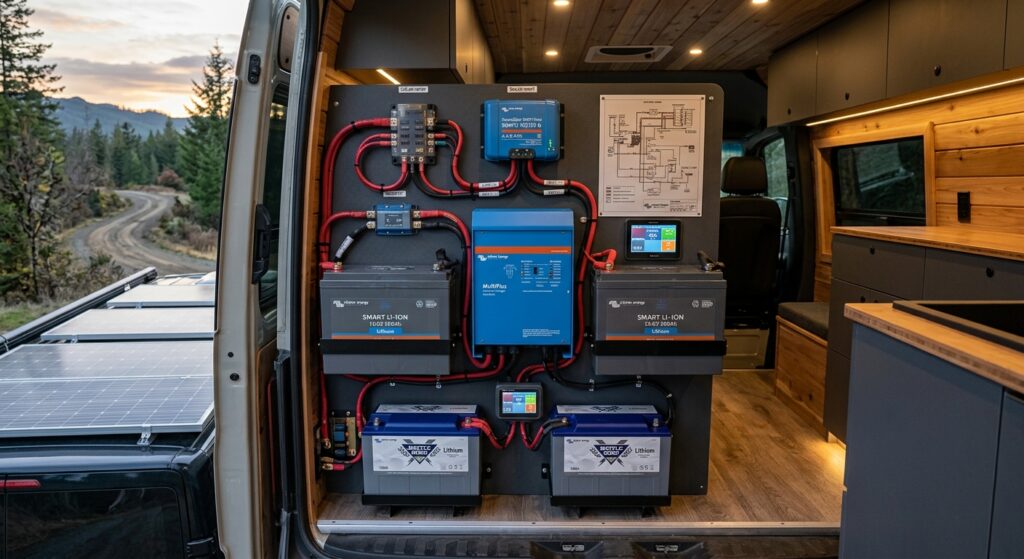
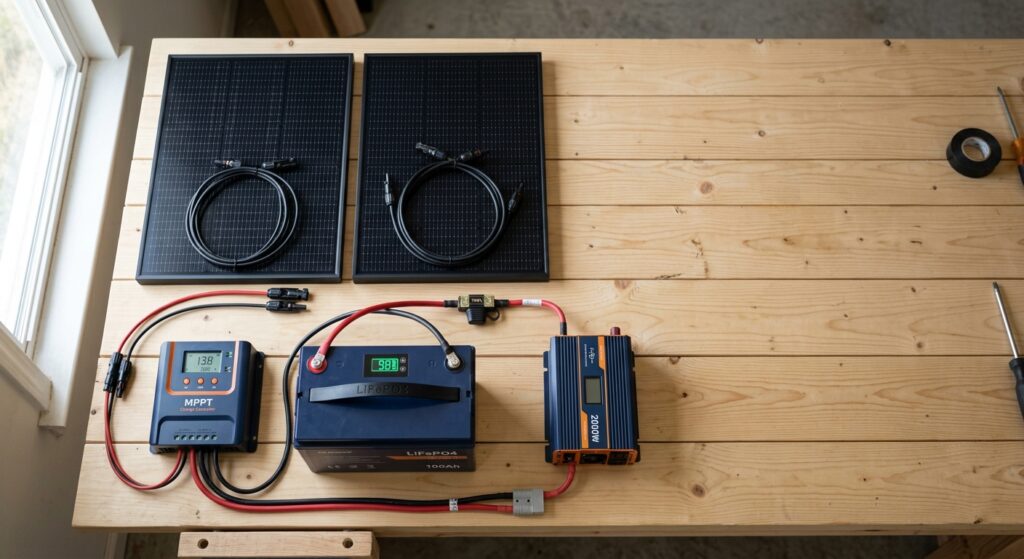
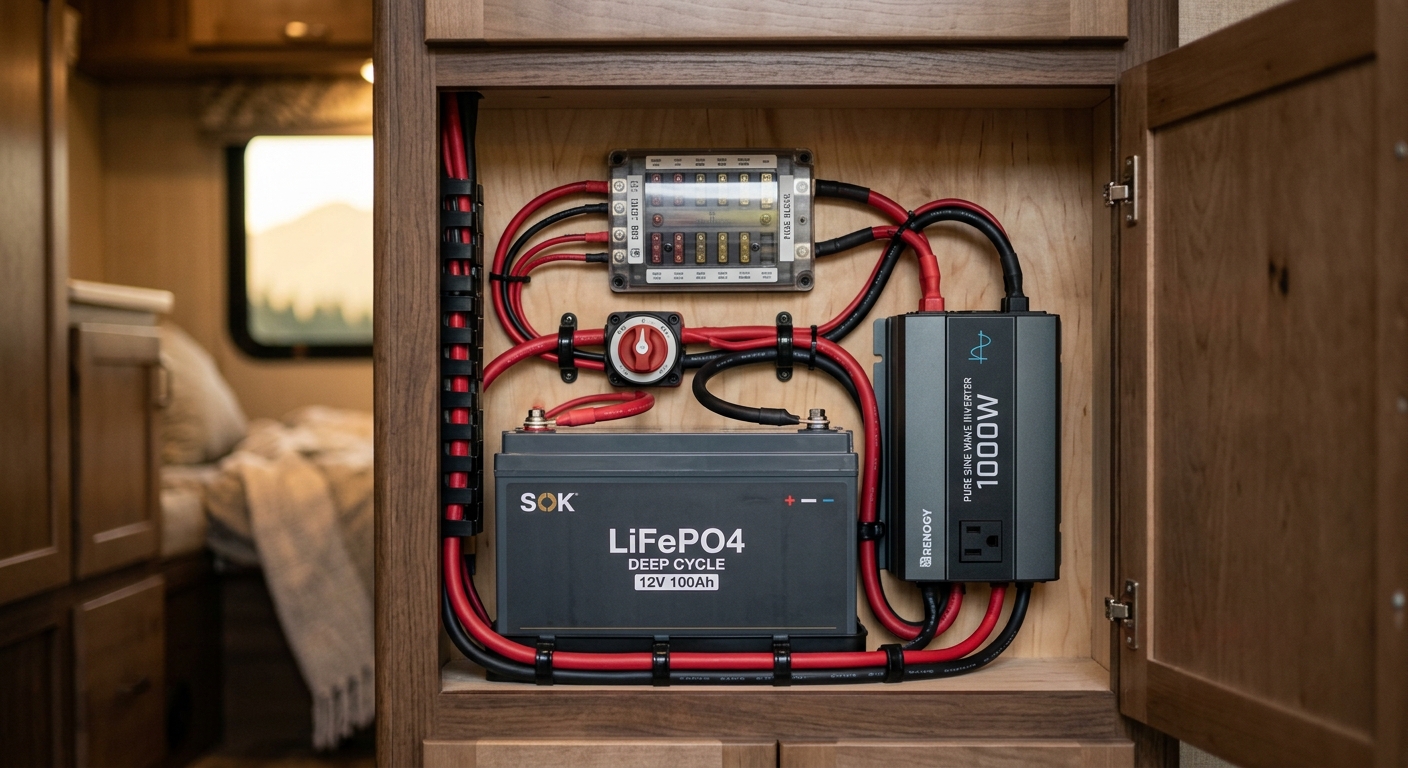
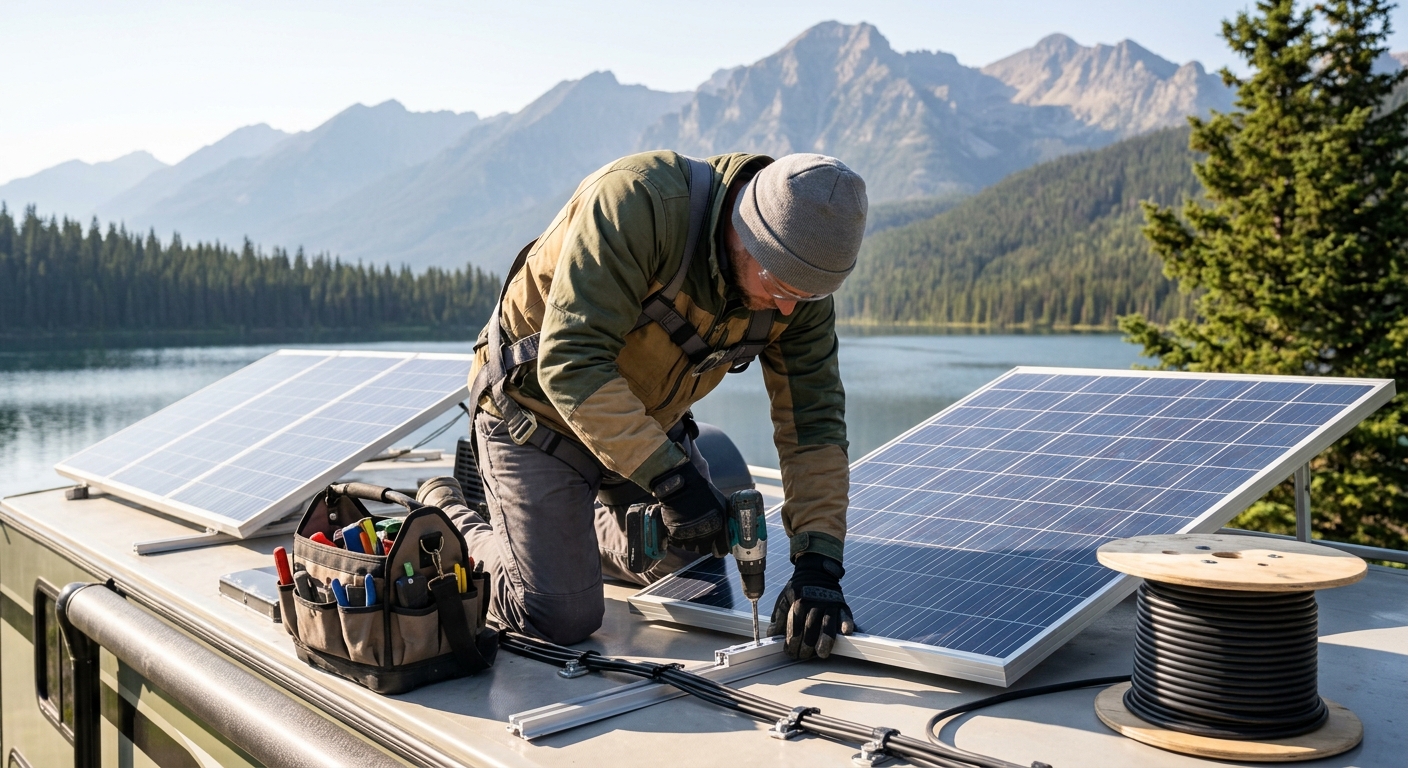
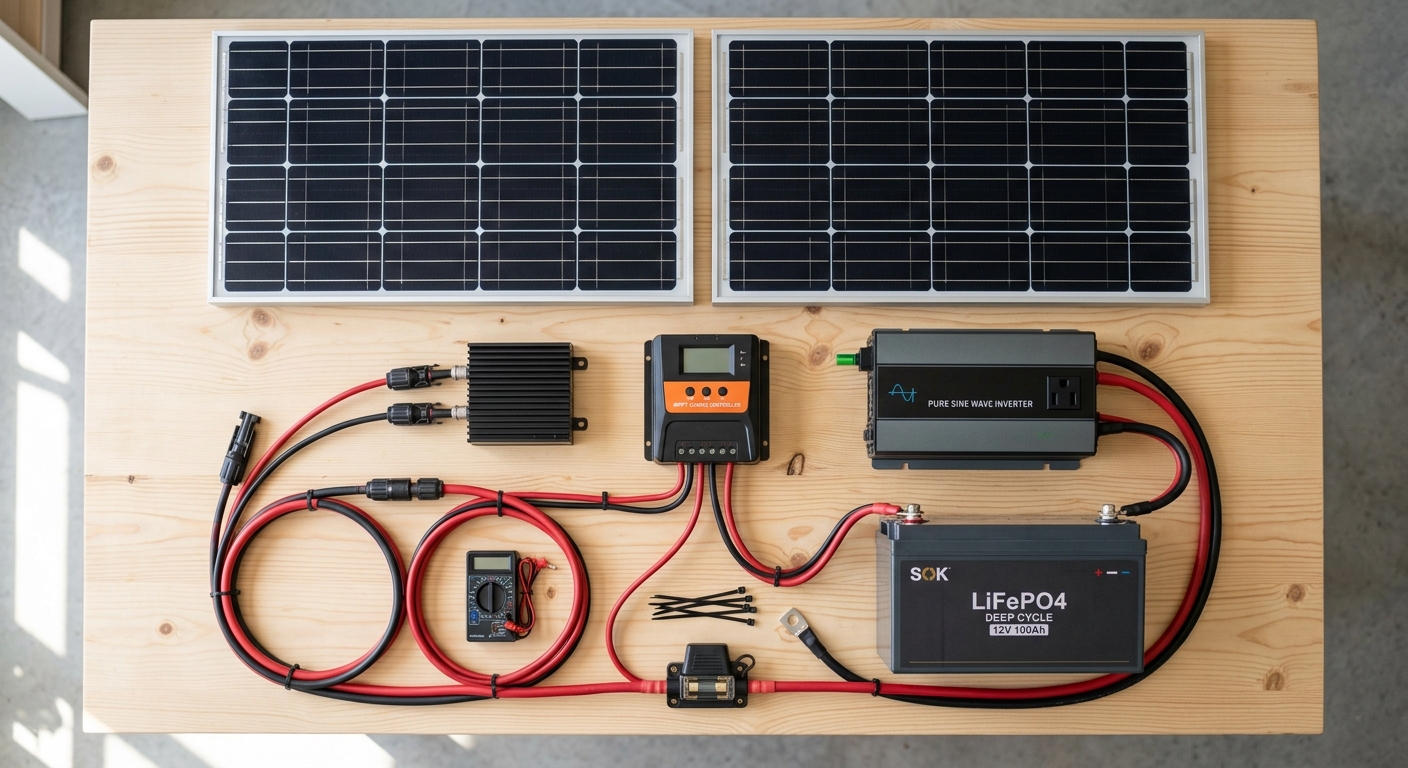
  1. Solar panels turn sunlight into DC power. Monocrystalline panels reach about 20-22% efficiency on a roof. In this demo, heat, dust and roof angle cost about 15% of the rated output.

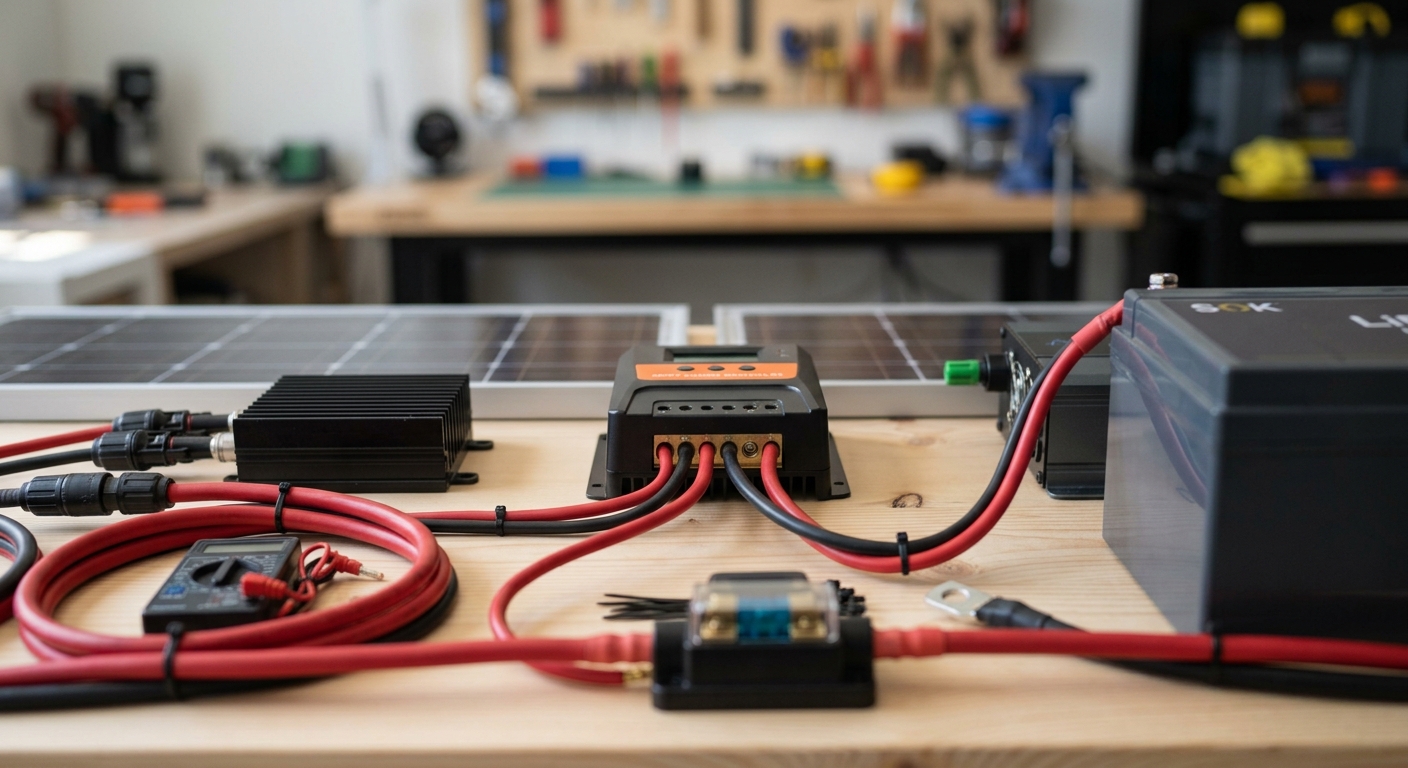
  2. An MPPT charge controller adjusts panel voltage to the battery and protects it from overcharging. Good units reach up to 98% efficiency. When the battery is full, it limits the panels to what you actually use.

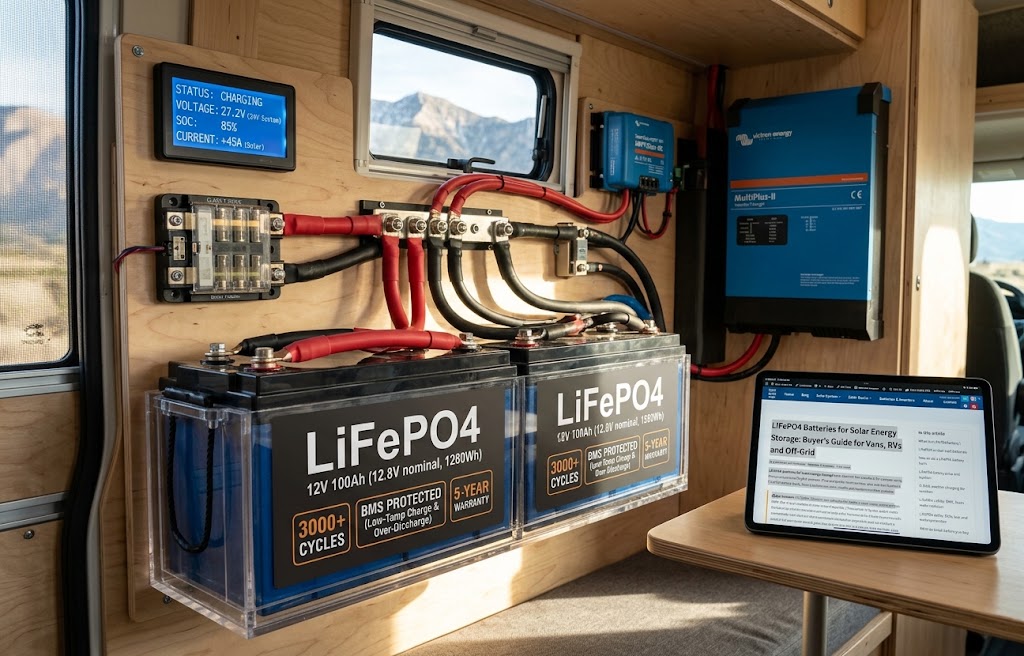
  3. A lithium (LiFePO4) battery stores the energy. Around 80-100% of its capacity is usable, versus about 50% for AGM. This demo counts 90% of 2.56 kWh, so about 2.3 kWh you can use.

  4. An inverter converts 12 V DC into 120/230 V AC for laptops, kettles and tools. Pure sine wave models run around 90-95% efficiency, and they use a small amount of power just by being on.

How a van solar system works

Live simulation
  1. Solar panels turn sunlight into DC power. Monocrystalline panels reach about 20-22% efficiency on a roof. In this demo, heat, dust and roof angle cost about 15% of the rated output.

  2. An MPPT charge controller adjusts panel voltage to the battery and protects it from overcharging. Good units reach up to 98% efficiency. When the battery is full, it limits the panels to what you actually use.

  3. A lithium (LiFePO4) battery stores the energy. Around 80-100% of its capacity is usable, versus about 50% for AGM. This demo counts 90% of 2.56 kWh, so about 2.3 kWh you can use.

  4. An inverter converts 12 V DC into 120/230 V AC for laptops, kettles and tools. Pure sine wave models run around 90-95% efficiency, and they use a small amount of power just by being on.

Solar basics in one minute

Four words explain most of what you will read on this site.

Volts (V)

The electrical pressure. A van battery is usually 12 V.

Amps (A)

The flow of current. Cables and fuses are sized by amps.

Watts (W)

The power at one moment. It is what an appliance draws.

Watt-hours (Wh)

The energy over time. It is what a battery stores.

Watts = Volts × Amps. Watt-hours = Watts × Hours.

Typical appliance power, to give you a first idea. Always check the label on your own equipment.

ApplianceTypical powerTypical use in a van
LED lights5 to 10 WEvening hours
Phone charger5 to 20 WA few hours a day
Laptop45 to 90 WWork sessions
12 V compressor fridge40 to 60 W while runningCycles on and off all day
Kettle or coffee maker600 to 1,500 WShort bursts, needs a large inverter

Ranges are typical values, not measurements. For your exact numbers use the Appliance Load Calculator.

Read Solar Basics

Safety comes first

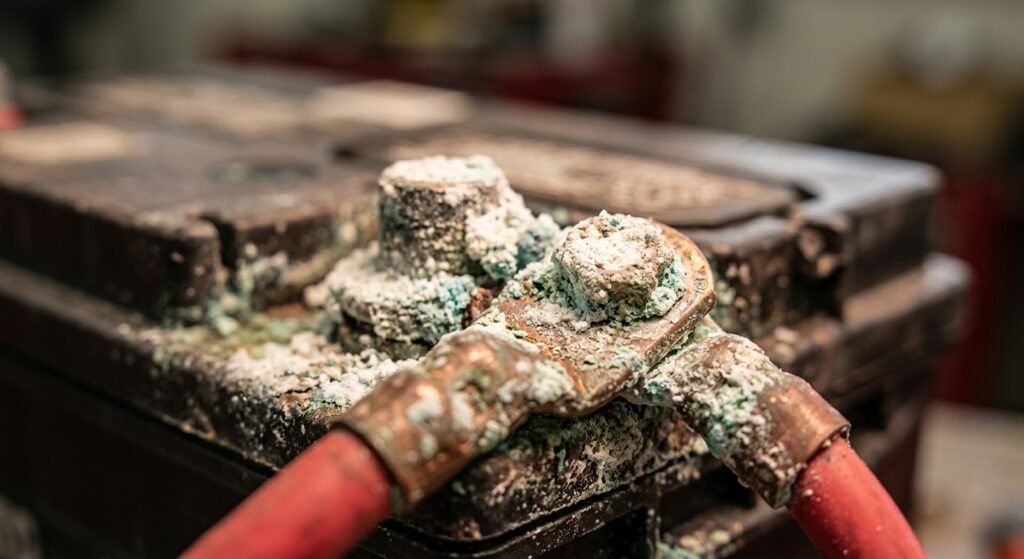
Batteries store a lot of energy. A short circuit on a battery cable can cause fire and severe burns. These three rules apply to every system.

Fuse every positive cable

Put the fuse close to the battery, sized for the cable and the maximum current.

Use the right cable gauge

Match the gauge to the current and the length of the run. Undersized cable overheats.

Connect in the right order

Battery to controller first, then panels, inverter last. Disconnect in reverse.

Read the wiring guides

Frequently asked questions

Short answers to the questions I hear most. Each links to a full guide.

How much solar do I need for a van?

It depends on your daily energy use, not on the size of the van. Add up your appliances in watt-hours, then size the battery and panels from that number. The calculators do it for you.

Should I choose a lithium or an AGM battery?

Lithium (LiFePO4) costs more but is lighter and gives much more usable capacity. AGM costs less up front and needs roughly double the rated capacity for the same usable energy. See the Batteries & Inverters guides.

Do I need a pure sine wave inverter?

For laptops, fridges and other sensitive electronics, yes, it is the safest choice. Size it for everything you run at the same time, plus some headroom.

Is a ready-made kit better than a DIY build?

Kits save time because the parts are matched. DIY can give more capacity for the money and is easier to repair. Check the contents of any kit: fuses and cables are sometimes missing.

Can I install solar myself?

Many people do the DC side themselves by following the manufacturer’s manual and local rules. If you are unsure about any step, hire a qualified installer.

About Solar Guide Hub

Solar Guide Hub is written by a solar technician with hands-on experience installing photovoltaic systems. The goal is simple, accurate guidance for people building their own mobile power setup, with a focus on practical advice and safety.

About us

Questions or feedback?

Found a mistake, or want a topic covered? Send a message and it will be read. Please note that guides are general information and do not replace the manual of your equipment.

Contact

Size your system before you buy

Start with your appliance list. In a few minutes you will know your daily energy use and what to look for in a kit.

Open Sizing & Calculators